
4 hr
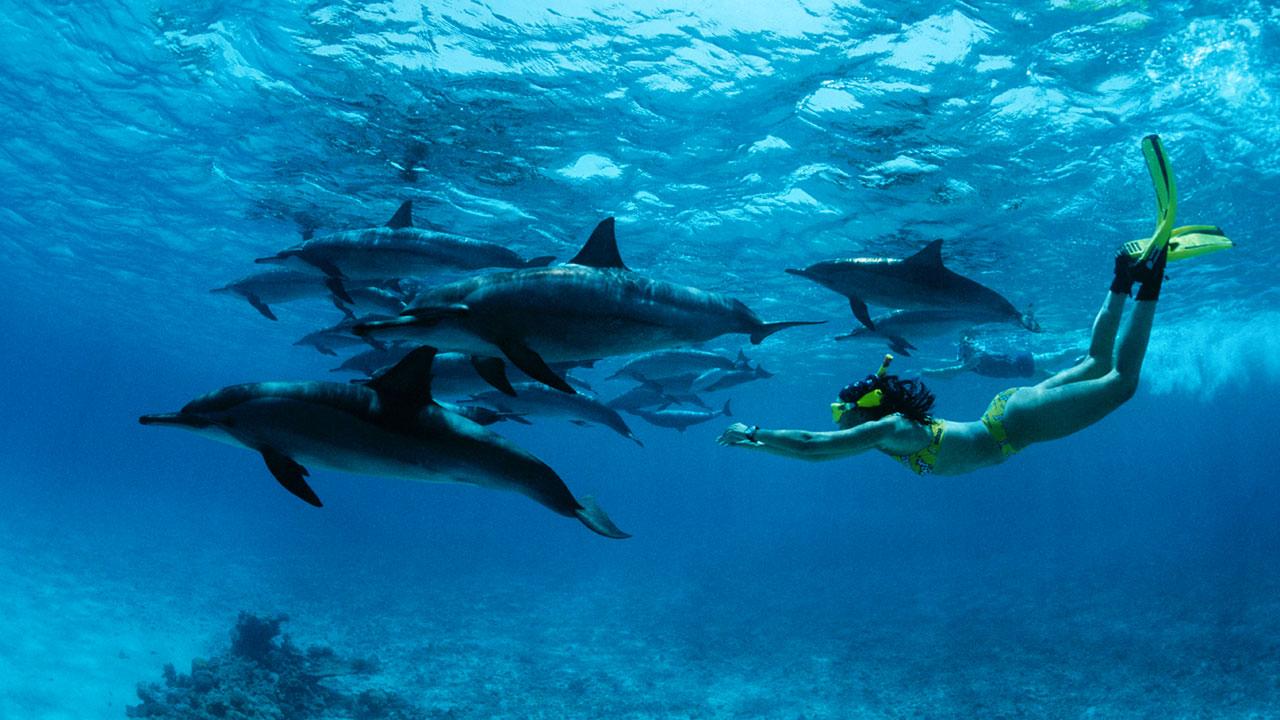
Mnemba Dolphin Swim & Snorkel Boat Trip from Kendwa
Half-day boat adventure to spot wild dolphins, snorkel Mnemba Atoll's reefs, and relax on a sandbank.
Reserve
Hand-picked by our editors — only the best 5 boat experiences from 60 reviewed.
Verified partners for every tour, free cancellation where available, and instant confirmation on every booking.
4 hr
Half-day boat adventure to spot wild dolphins, snorkel Mnemba Atoll's reefs, and relax on a sandbank.
Reserve
3 hr
Half-day Zanzibar boat trip with wild dolphin swimming and snorkeling in Mnemba Atoll's coral reefs.
Reserve
4 hr 30 min
Chase dolphins, snorkel vibrant reefs, and relax on Mnemba's sandbank on this half-day Zanzibar escape.
ReservePrices from verified partners. Availability updates in real time at checkout. Free cancellation policies apply where shown.
The landmarks, rooms, and views travelers on this tour remember — all visible on a single visit.
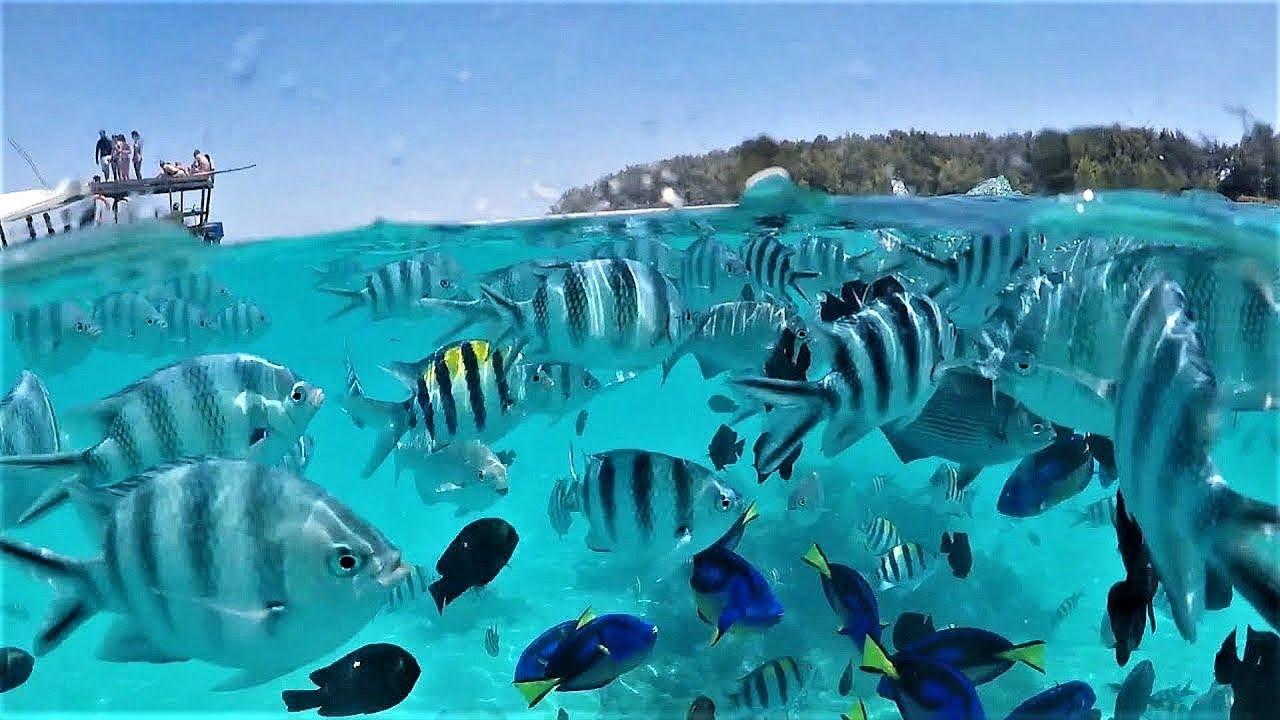
A protected sanctuary teeming with vibrant coral, tropical fish, and green turtles, forming the core of the marine conservation area.
They complement each other; most visitors who do both call the Mnemba island dolphin tour the more relaxing option for snorkeling, while Kizimkazi is often considered the more direct marine mammal encounter. Exploring these Mnemba island dolphin tour tours reveals distinct advantages depending on whether your priority is reef exploration or specific wildlife tracking.
| Feature | Top pick Mnemba Island | Kizimkazi |
|---|---|---|
Primary dolphin activity |
Snorkeling and sightings | Active boat tracking |
Travel time from Stone Town |
60–90 minutes | 60–75 minutes |
Coral reef quality |
High biodiversity | Minimal |
Crowd density |
Moderate | High |
Coastal landscape |
Atoll and sandbank | Rugged cliffs and inlets |
| See tickets → |
Verdict: Choose the Mnemba island dolphin tour tickets if you prefer a mix of swimming over vibrant reefs and casual sightings, or opt for Kizimkazi if you want a dedicated mnemba island dolphin tour tour focused exclusively on dolphin behavior.
Choose your ticket, select your date, and reserve in under two minutes. Secure checkout handled by our verified partner.
Instant confirmation by email, with a mobile voucher you can save offline. No printing, no queuing at a collection desk.
Arrive at the entrance, show your voucher on your phone, and walk in. Most tickets include priority or skip-the-line access.
Practical details for your visit straight from our verified partners — hours, access, rules, and how to get there.
Wear swimwear under light, breathable clothing for your mnemba island dolphin tour. A rash guard is recommended for sun protection while snorkeling.
Use a dry bag to protect valuables during your mnemba island dolphin tour. Keep items minimal as space on traditional wooden boats is limited.
Bring a waterproof camera or GoPro to capture your mnemba island dolphin tour experience. Always maintain a respectful distance from marine life when taking photos.
The mnemba island dolphin tour is not wheelchair accessible due to the nature of beach boat boarding. Travelers should have a moderate physical fitness level to manage wading and ladder use.
Families are welcome, though children must be supervised at all times during the mnemba island dolphin tour. Life jackets are provided on all licensed excursion boats.
Many tours include light snacks, fresh fruit, and water. Confirm specific inclusions for your mnemba island dolphin tour as some operators provide a full beach lunch.
Best time to go, insider tips, nearby landmarks, and the cancellation fine print — flip through to skim what matters to you.
Flexible, no hidden fees.
Most operators offer a full refund if you cancel your mnemba island dolphin tour tickets at least 24 hours in advance. Please confirm if your selected provider includes the 10 USD marine conservation fee in their refund policy.
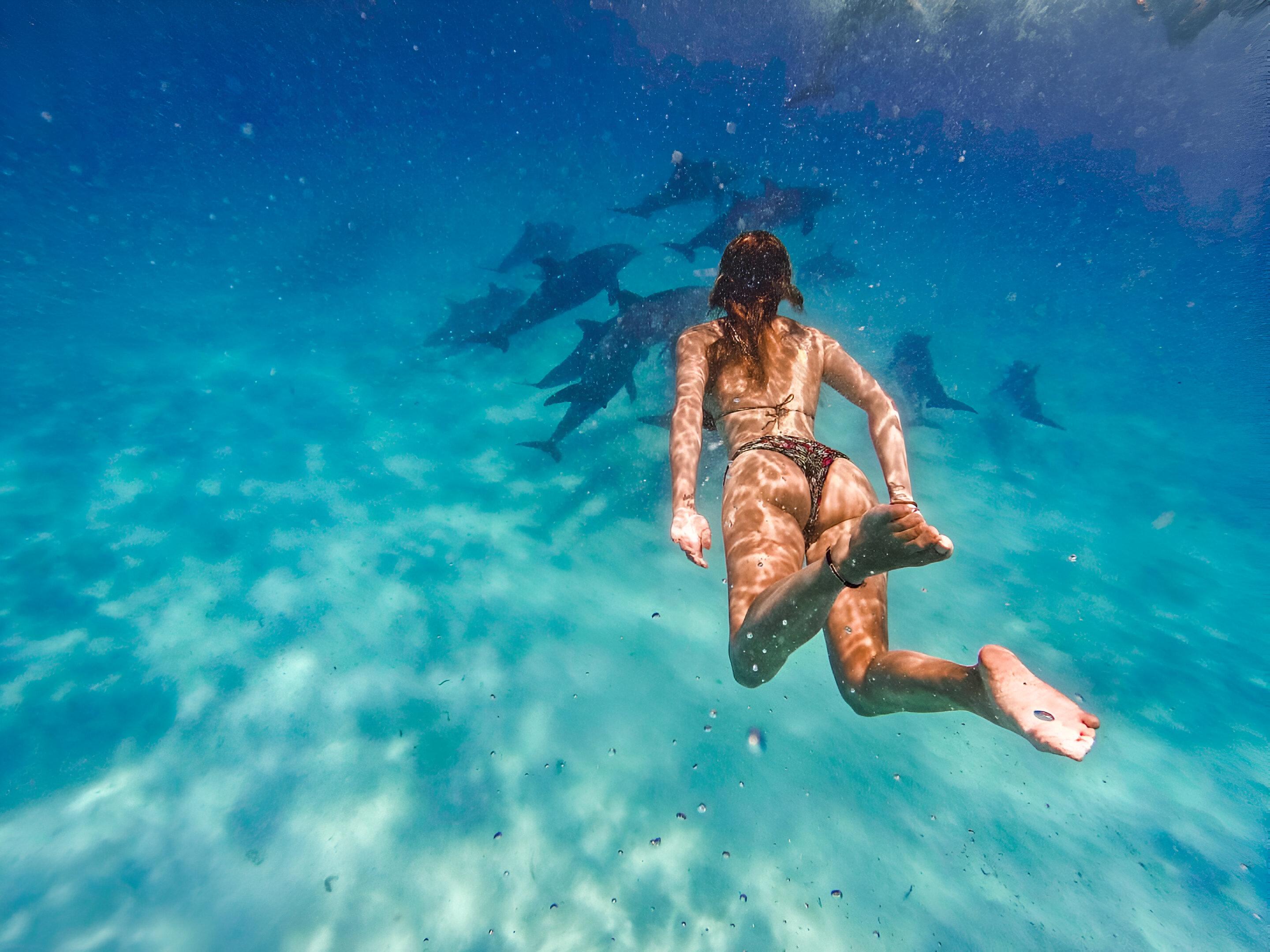
Mnemba Island measures roughly 1.5 kilometres around — a walk of under twenty minutes — yet the atoll surrounding it protects some of the richest reef in the western Indian Ocean. The island sits off the northeast corner of Unguja, across a channel from Matemwe village. Tanzania declared the waters a conservation area in 2002, drawing the boundary wide around the sand cay rather than tight to its shore. The island itself is privately leased; the reef is not. That division explains the shape of every mnemba island dolphin tour running today — boats work the open water and the reef drop-offs, while the beach above the high-tide line stays closed to day visitors. A 10 USD marine conservation fee, charged per person to visitors entering the conservation area, funds the ranger patrols that enforce it. The dolphins are the draw. Indo-Pacific bottlenose and spinner dolphins move through the channel in pods, following sardine and anchovy shoals along the atoll wall. Spinners rest in shallow water through the morning and feed offshore at night, which is why skippers from Kendwa and Nungwi leave early and read the surface for fins rather than chase a fixed route. Nothing about the encounter is staged. Beneath the boats, the reef carries its own census. Marine surveys have logged well over 300 fish species across the atoll — parrotfish grazing the hard coral, blue-spotted ribbontail rays flat in the sand channels, green turtles working the seagrass beds on the leeward side. Acropora tables dominate the shallows at four to six metres, which is why most Mnemba Island boat tours pair the dolphin search with a mask-and-fin stop rather than treating snorkeling as an afterthought. Zanzibar's dhow captains knew these waters long before any of it was mapped. The outrigger hulls still crossing the channel are a direct inheritance from that trade, and the Swahili name for the trip — safari ya pomboo — predates the tourism economy built around it. What matters now is restraint. Pressure on the pods has pushed operators toward quieter engines, wider approach distances and limits on how many swimmers enter the water at once. The better dolphin swim and snorkel trip respects that. Among the Zanzibar marine landmarks a visitor can reach in half a day, a mnemba island dolphin tour remains the one where the animals set the terms, the itinerary bends to the weather, and the reef below is reason enough to have come.
"The island itself is privately leased; the reef is not."
A step-by-step walkthrough of the visit — what you'll see, how long each stage takes, and the details that matter.
You leave the beach at Kendwa or Nungwi between 07:00 and 10:00, when the sea is at its calmest and the wind has not yet come up. Operating hours run 07:00–18:00, seven days a week, and the earliest departures do the best work. You wade out to the boat, hand over your sandals, and settle onto a bench still cool from the night. The crossing to the atoll takes roughly thirty to forty minutes. You watch the skipper rather than the horizon — he reads the water, cuts the engine, and points. Fins break the surface in a loose line. You pull on mask and fins fast, slide in feet-first on the signal, and get maybe ninety seconds of clear sightline before the pod moves on. Then you climb back aboard and do it again. Mid-morning the boat repositions to the reef shallows on the leeward side. Here you drift at four to six metres over coral tables, counting parrotfish and scanning the sand for rays. A crew member hands down cut mango and bottled water between stops. You pay the 10 USD marine conservation fee per person for the protected waters, and you keep your feet off the coral. By the time your mnemba island dolphin tour turns for shore, the wind has arrived and the ride home is wetter. You come in salt-dried, sunburnt in one patch you missed, and quiet.
The conservation area is accessible daily between 07:00–18:00.
Yes, the 10 USD marine conservation fee per person is mandatory for visitors to the conservation area.
No, Mnemba Island is a private property; tours are restricted to the surrounding reef and waters.
The best arrival window is 07:00–10:00 to enjoy calmer seas and higher chances of wildlife sightings.
Yes, families are welcome, but children must be supervised and life jackets are provided.
No, basic swimming skills are sufficient, though you should feel comfortable in the water with a life jacket.
Operators typically offer rescheduling or a refund if sea conditions are deemed unsafe.
No, storage is not provided; please leave valuables at your hotel or use a dry bag on the boat.
Bring reef-safe sunscreen, a towel, a hat, and a waterproof camera for your excursion.